
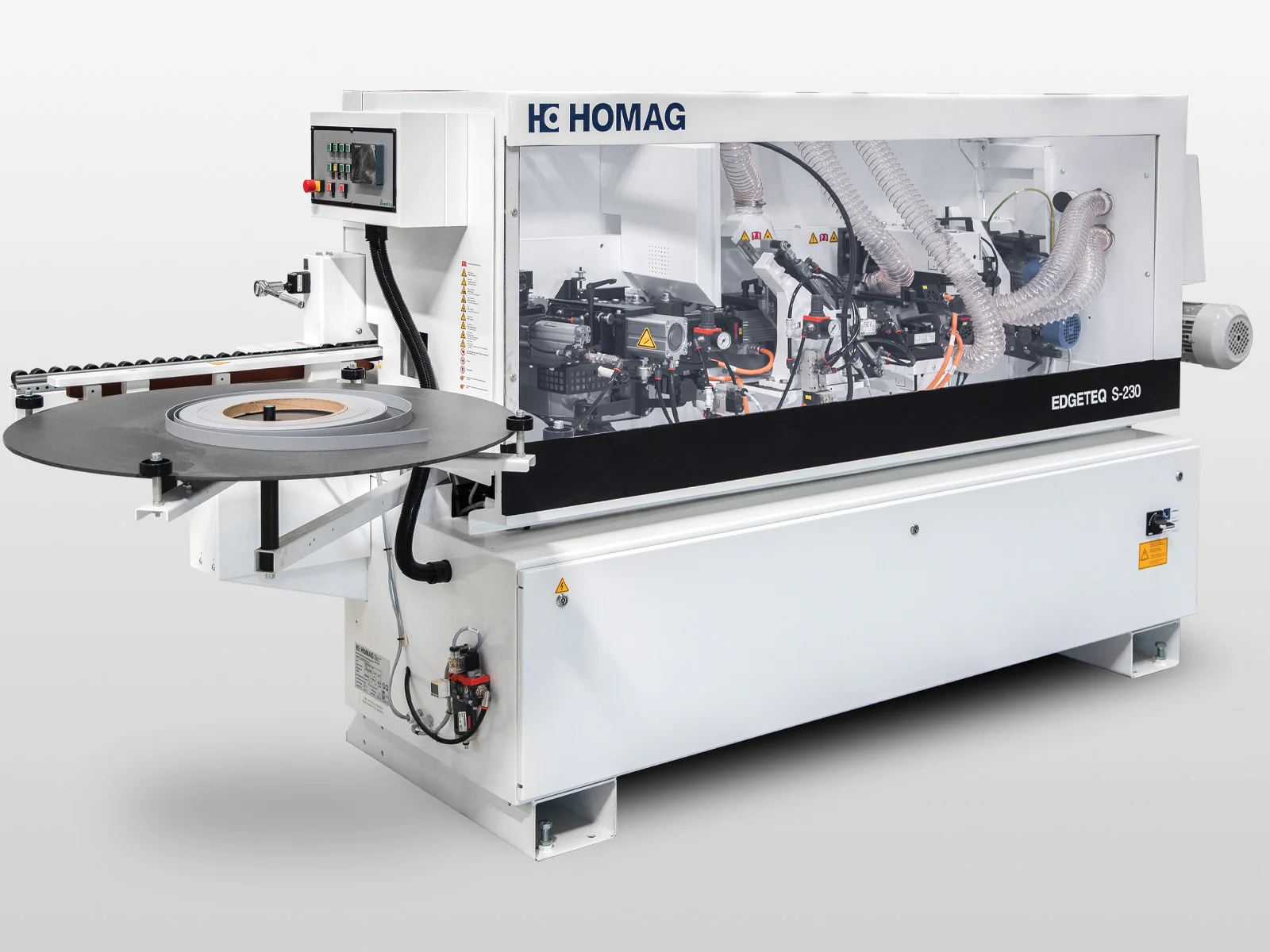
In today’s woodworking industry, precision, efficiency, and aesthetic quality have become more crucial than ever. One machine that has seen significant technological advancement and adoption in recent years is the edge banding machine. This essential woodworking equipment not only enhances the finish of panels and furniture components but also streamlines production processes, reducing waste and labor costs. As the industry evolves, innovations and emerging trends in edge banding machines are shaping how manufacturers approach woodworking projects.
The Importance of Edge Banding Machines in Modern Woodworking
An edge banding machine is a piece of equipment designed to apply edging material to the exposed edges of wood panels, plywood, particleboard, or MDF. This process improves both the durability and visual appeal of the finished product. Traditionally, edge banding was a manual task, prone to inconsistencies and inefficiencies. With the advent of automated edge banding machines, manufacturers can achieve high-quality results at scale, ensuring uniformity across production lines.
Edge banding machines are especially crucial in industries where appearance and finish are essential, such as cabinetry, office furniture, and decorative paneling. By automating the edge application process, these machines minimize errors, reduce material wastage, and increase production speed, providing a competitive advantage for businesses.
Technological Innovations in Edge Banding Machines
The rapid evolution of woodworking machinery has brought several innovations to edge banding machines, transforming them from simple, functional tools into sophisticated systems capable of performing multiple tasks with precision. One significant innovation is the integration of digital controls and CNC technology. Modern edge banding machines can now be programmed with exact measurements, edge profiles, and feed speeds, allowing for consistent quality and customization without manual adjustments.
Another important innovation is the use of advanced adhesive application systems. Traditional glue application often led to uneven edges or excess residue. Modern edge banding machines use hot-melt adhesives, PUR glue, or laser-assisted bonding systems that ensure strong adhesion, reduce cleanup, and provide a cleaner finish. These systems also allow for faster processing speeds without compromising quality.
The development of modular and multi-functional edge banding machines is another trend shaping the industry. Some machines now combine functions such as edge trimming, corner rounding, scraping, and buffing in a single workflow. This integration reduces the need for multiple machines, saving floor space and labor costs while improving overall productivity.
Trends Influencing the Edge Banding Machine Market
Several trends are currently influencing the edge banding machine market, driven by changing consumer demands and technological advancements. One major trend is the increasing demand for eco-friendly and sustainable production. Manufacturers are seeking machines that reduce energy consumption, use low-emission adhesives, and minimize waste. Edge banding machines are now being designed with energy-efficient motors, precise glue application, and recyclable edge tape compatibility to meet these environmental requirements.
Another trend is the push for greater automation and smart manufacturing. With the rise of Industry 4.0, edge banding machines are increasingly integrated into fully automated production lines, capable of communicating with other machines and adjusting parameters in real time. This connectivity allows manufacturers to track production efficiency, detect errors before they escalate, and perform predictive maintenance, reducing downtime and operational costs.
Customization is also driving trends in edge banding technology. Modern consumers expect unique furniture designs, intricate edge profiles, and personalized finishes. Edge banding machines equipped with CNC and digital interfaces can accommodate these demands by producing precise and varied edge profiles without slowing down production. The ability to switch quickly between edge types and materials gives manufacturers the flexibility to meet niche market needs.
Benefits of Adopting Advanced Edge Banding Machines
Adopting advanced edge banding machines offers numerous benefits for woodworking businesses. First and foremost, these machines improve the quality and consistency of finished products. Automated processes ensure uniform edge application, seamless joints, and polished surfaces, enhancing customer satisfaction and brand reputation.
Efficiency is another key advantage. Modern edge banding machines operate at higher speeds, with less manual intervention and minimal waste. This efficiency translates into shorter production cycles, lower labor costs, and the ability to fulfill larger orders without compromising quality.
Safety is also enhanced with advanced edge banding machines. Automation reduces direct human contact with cutting tools, adhesives, and high-speed components, lowering the risk of workplace injuries. Many machines now include safety sensors, emergency stops, and ergonomic designs to protect operators while maintaining productivity.
Challenges and Considerations in Edge Banding Machine Adoption
Despite the clear advantages, there are challenges associated with adopting high-end edge banding machines. The initial investment can be substantial, particularly for small or medium-sized woodworking businesses. Maintenance and operator training are also critical, as sophisticated machines require skilled personnel to operate and troubleshoot effectively.
Compatibility with existing production lines is another consideration. Businesses need to ensure that their edge banding machine integrates seamlessly with other woodworking machinery, such as CNC routers, panel saws, and sanding systems, to maximize workflow efficiency. Additionally, choosing the right adhesive system and edge tape material is essential to achieve the desired quality and durability.
Future Outlook for Edge Banding Machines
The future of edge banding machines looks promising, driven by ongoing technological innovations and evolving market demands. We can expect to see increased adoption of fully automated, AI-driven machines capable of self-optimizing performance and predicting maintenance needs. These smart systems will further enhance productivity, reduce downtime, and enable manufacturers to respond quickly to custom orders.
Sustainability will continue to play a major role, with machines designed for minimal environmental impact and the ability to handle eco-friendly materials. As design trends in furniture and interior decoration become more sophisticated, edge banding machines will evolve to offer greater flexibility, enabling the creation of complex profiles, curved surfaces, and mixed-material finishes.
Finally, the integration of edge banding machines into digitalized production ecosystems will redefine efficiency in woodworking. Real-time monitoring, data analysis, and interconnectivity between machines will allow businesses to optimize their entire manufacturing process, reducing costs while maintaining high-quality output.
Conclusion
Edge banding machines have evolved from simple tools into indispensable components of modern woodworking production. Innovations in automation, adhesive technology, modular design, and smart manufacturing are reshaping the industry, enabling manufacturers to produce high-quality, aesthetically appealing products with greater efficiency and precision.
As trends like sustainability, customization, and Industry 4.0 continue to influence the woodworking sector, edge banding machines will remain at the forefront of innovation. Businesses that embrace these advancements will not only enhance their productivity but also position themselves to meet the ever-growing demands of consumers, securing a competitive edge in the evolving market.
Whether for small workshops or large-scale factories, the modern edge banding machine represents a critical investment, offering improved quality, efficiency, and versatility while shaping the future of woodworking.