
Gelatin has long been the unsung hero of the culinary world. From the shimmering molded salads of the mid-century to the sophisticated molecular gastronomy of today, this versatile ingredient bridges the gap between science and art. However, mastering gelatin requires more than just following the instructions on a box. To truly impress your guests, you need to master a specific gelatin trick recipe that ensures structural integrity, crystal-clear transparency, and a mouthfeel that melts exactly when it hits the tongue.
Whether you are preparing a spooky centerpiece for Halloween, a sophisticated panna cotta for a dinner party, or a playful dessert for a child’s birthday, understanding the mechanics of bloom and suspension is key. In this guide, we will dive deep into the techniques that transform standard jelly into a culinary masterpiece.
Understanding the Science of the Bloom
Before you can execute a flawless gelatin trick recipe, you must respect the “bloom.” Blooming is the process of hydrating the gelatin granules before they are heated. If you skip this step or rush it, you end up with “gelatin seeds”—those annoying, rubbery lumps that ruin the texture of an otherwise perfect dish.
The Ratio of Hydration
To bloom gelatin correctly, you should always use cold liquid. The standard ratio is roughly three to five tablespoons of cold liquid for every tablespoon of granulated gelatin. Sprinkle the powder over the surface of the liquid evenly. Do not dump it in a pile, or the outer layer will hydrate and create a waterproof seal around the dry center. Let it sit for at least five to ten minutes until it looks like thick applesauce or a firm sponge.
Temperature Control
Once bloomed, the gelatin must be melted. The “trick” here is to never let it boil. Boiling breaks down the protein chains (collagen) that create the gel, leading to a weak set. Use a gentle bain-marie or low microwave bursts to turn the solid sponge into a clear, pourable liquid. This liquid gold is the foundation of any advanced gelatin trick recipe.
The Gelatin Trick Recipe for Structural Integrity
When people talk about a “trick” recipe in the world of gelatin, they are usually referring to “Knox Blox” style density or “3-2-1” ratios that allow the gelatin to stay firm at room temperature. This is essential for finger foods or intricate 3D molds that need to stand tall without slumping.
Ingredients for a High-Performance Base
- 4 envelopes of unflavored gelatin (approx. 28 grams)
- 1 cup of cold fruit juice or flavored liquid (for blooming)
- 3 cups of hot (not boiling) liquid (the flavoring base)
- Optional: A pinch of citric acid to brighten flavors
Execution Steps
- Bloom: Pour the 1 cup of cold juice into a large bowl and sprinkle the 4 envelopes of gelatin over it. Let it rest for 10 minutes.
- Dissolve: Pour the 3 cups of hot liquid over the bloomed mixture. Stir gently but continuously until every grain is dissolved.
- Clarify: If bubbles form on top, skim them off with a spoon or lightly graze the surface with a kitchen torch. This ensures a glass-like finish.
- Set: Pour into your mold and refrigerate for at least 4 hours.
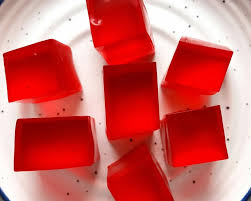
This specific gelatin trick recipe creates a “stiff set” that is durable enough to be handled by hand, making it perfect for “glass” gems or layered “rainbow” squares.
Flavor Infusions and Clarity Secrets
The biggest mistake beginners make is using liquids that inhibit the gelling process. If you want your gelatin trick recipe to work every time, you must be aware of enzymatic interference.
Avoiding the Enzyme Trap
Certain raw fruits—specifically pineapple, kiwi, papaya, mango, and ginger—contain enzymes called proteases (like bromelain in pineapple). These enzymes literally eat the protein bonds in the gelatin, leaving you with a permanent puddle of soup. To use these flavors, you must either use canned fruit (which has been heat-treated) or boil the fresh fruit juice for five minutes to denature the enzymes before adding the gelatin.
Achieving Crystal Clarity
For a “lens-clear” effect, use filtered water and clear spirits or light-colored juices like white grape or apple. If you are adding solids like edible flowers or fruit slices, use the “suspension trick.” Pour a thin layer (1/4 inch) of gelatin into the mold and let it set until it is tacky. Place your decorations on that layer, then pour just enough gelatin to anchor them. Once that sets, fill the rest of the mold. This prevents your decorations from floating to the top or sinking to the bottom.
Advanced Techniques: Layers and Textures
A true gelatin trick recipe often involves playing with opacity and light. Layering is the most common way to achieve a “wow” factor, but it requires patience.
The Perfect Layer
To get perfectly straight lines between colors, each layer must be cooled to room temperature before being poured over the previous layer. If the new layer is too hot, it will melt the one below it, creating a blurry, “tie-dye” effect. Conversely, if the bottom layer is too cold and fully set, the new layer might slide off when you unmold it. The “trick” is to pour the second layer when the first is “set but tacky”—it should feel like scotch tape to the touch.
Creating Opacity with Dairy
You can turn any clear gelatin trick recipe into a creamy delight by replacing part of the liquid with heavy cream, coconut milk, or sweetened condensed milk. A popular visual trick involves alternating layers of bright, transparent fruit gelatin with layers of white, opaque milk gelatin. This creates a “ribbon” effect that catches the light beautifully.
Troubleshooting Your Gelatin Creations
Even with the best gelatin trick recipe, things can occasionally go sideways. Here is how to fix common issues:
- The Mold is Stuck: Never dig a gelatin shape out with a knife. Instead, dip the bottom of the mold into warm (not hot) water for 5 to 10 seconds. Invert it onto a plate that has been slightly moistened with water. The moisture on the plate allows you to slide the gelatin into the center if it lands off-center.
- The Gelatin is Too Rubbery: This usually happens if you used too much powder or if the gelatin has dehydrated in the fridge. To avoid a “rubbery” texture, ensure your ratios are precise and always cover your molds with plastic wrap once they are set.
- Sticky Surface: If your finger-food gelatin is too sticky to handle, a very light dusting of cornstarch or a quick spray of flavorless vegetable oil in the mold can help.
Creative Occasions for Gelatin Art
The beauty of a solid gelatin trick recipe is its adaptability. For a sophisticated wedding shower, you can create champagne-based gelatin cubes infused with gold leaf. For a kid’s “under the sea” party, you can use blue-tinted gelatin with Swedish fish suspended in the middle.
In the world of fitness and wellness, gelatin is also making a comeback as a protein-rich snack. By using herbal teas and natural sweeteners like stevia, you can create a healthy version of the gelatin trick recipe that supports joint health and skin elasticity while satisfying a sweet tooth.
The art of gelatin is a balance of patience, temperature, and imagination. Once you move past the basics and start experimenting with suspension, layering, and “blooming” techniques, you realize that gelatin isn’t just a dessert—it’s a medium for sculpture. With this gelatin trick recipe in your repertoire, you are ready to turn any liquid into a wobbling, shimmering work of art.