
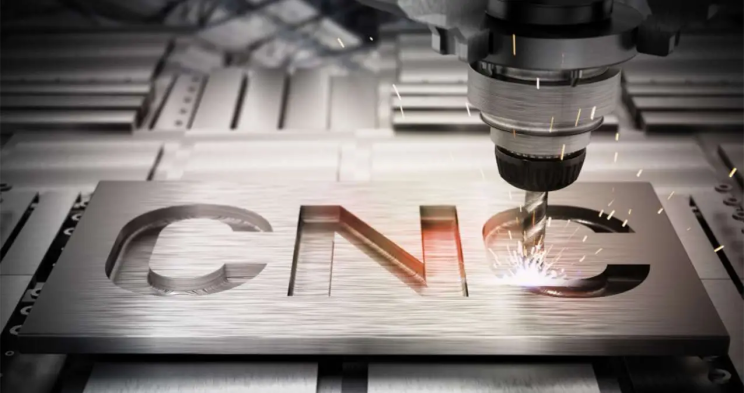
In the modern manufacturing landscape, achieving superior product quality is not just a goal—it is a necessity. With rising customer expectations, tight tolerances, and increased competition, manufacturers are turning to advanced technologies to maintain a competitive edge. Among these technologies, CNC precision machining stands out as a transformative tool that significantly enhances product quality. By combining automation, precision, and flexibility, CNC precision machining ensures that products meet the highest standards consistently.
Consistency and Accuracy in Production
One of the most critical factors in product quality is consistency. Traditional manual machining methods often introduce human error, leading to variations in dimensions and finishes. CNC precision machining, however, relies on computer-controlled operations that execute tasks with extreme accuracy. Every cut, drill, or mill is programmed to precise measurements, reducing the margin of error to a fraction of a millimeter. This level of precision guarantees that each product coming off the production line meets exact specifications, which is particularly important in industries such as aerospace, automotive, and medical devices where even minor deviations can have serious consequences.
Enhanced Surface Finish and Tighter Tolerances
The surface finish of a product affects not only its appearance but also its functionality and longevity. CNC precision machining allows manufacturers to achieve smooth, high-quality finishes with minimal post-processing. The precision of CNC tools enables tight tolerances that would be difficult or impossible to achieve manually. Tighter tolerances improve the fit and performance of parts, ensuring components work seamlessly together and reducing the risk of malfunctions or failures. Products produced with CNC precision machining consistently demonstrate superior dimensional accuracy and surface quality, which translates into higher reliability and customer satisfaction.
Reduction of Defects and Waste
Defective products are not only costly but also damage a company’s reputation. CNC precision machining minimizes defects by maintaining strict control over the manufacturing process. Computer-controlled operations follow programmed instructions exactly, reducing the likelihood of errors caused by manual intervention. Additionally, advanced CNC machines often include real-time monitoring and feedback systems that detect deviations immediately, allowing operators to make corrections before defects occur. This proactive approach reduces scrap, optimizes material usage, and ensures a higher yield of high-quality products. As a result, manufacturers benefit from lower production costs and a smaller environmental footprint due to less waste.
Complex Designs Made Possible
Modern products often require intricate designs and geometries that are difficult to produce with conventional methods. CNC precision machining excels in creating complex parts with precision and repeatability. The technology can produce detailed features such as intricate contours, deep cavities, and fine threads with ease. This capability expands the range of design possibilities for engineers and designers, enabling the creation of products that are both functional and aesthetically pleasing. By accurately translating digital designs into physical components, CNC precision machining helps ensure that complex products maintain consistent quality across production runs.
Faster Production Without Compromising Quality
Speed is often a factor that impacts product quality. Manual machining requires careful, time-consuming operations to maintain accuracy, which can slow down production. CNC precision machining, on the other hand, combines speed with precision. Automated machines operate continuously and efficiently, reducing cycle times while maintaining strict adherence to specifications. The ability to produce high-quality parts quickly allows manufacturers to meet tight deadlines without compromising standards. This balance between speed and quality is especially important in industries where time-to-market is critical, such as electronics and consumer goods.
Integration with Quality Control Systems
CNC precision machining integrates seamlessly with modern quality control processes, enhancing overall product quality. Many CNC machines are equipped with sensors and software that monitor critical parameters during production. These systems provide real-time data on dimensions, tolerances, and tool conditions, allowing manufacturers to identify potential issues immediately. Additionally, CNC machines can be programmed to perform self-checks and calibration routines, ensuring that each part is produced within specified quality limits. This integration of machining and quality control reduces the risk of defects and ensures that final products consistently meet customer expectations.
Improved Repeatability and Reliability
Repeatability is a key advantage of CNC precision machining. Once a machine is programmed, it can produce thousands of identical parts with the same high level of accuracy. This repeatability is crucial for industries that require interchangeable components or batch production. Products manufactured through CNC precision machining are not only consistent in quality but also reliable in performance, which is essential for maintaining brand reputation and customer trust. The ability to reproduce identical parts with precision ensures that assembly lines operate smoothly and reduces the likelihood of costly rework or recalls.
Customization Without Sacrificing Quality
In today’s market, customization is increasingly important to meet specific customer needs. CNC precision machining allows manufacturers to produce customized parts without sacrificing quality. Adjustments to dimensions, features, or materials can be easily programmed into the machine, enabling the production of unique parts while maintaining the same high standards as mass-produced components. This flexibility allows companies to offer tailored solutions, expand their product offerings, and respond quickly to changing market demands without compromising on quality.
Long-Term Cost Efficiency and Quality Assurance
While the initial investment in CNC precision machining may be higher than traditional methods, the long-term benefits for product quality and cost efficiency are significant. Reduced defects, minimized waste, faster production, and improved consistency contribute to lower operational costs over time. High-quality products also lead to fewer customer complaints, warranty claims, and returns, which further enhances profitability. By prioritizing quality through CNC precision machining, manufacturers not only produce superior products but also strengthen their competitive position in the market.
Conclusion
CNC precision machining has revolutionized modern manufacturing by providing unparalleled accuracy, consistency, and efficiency. From achieving tighter tolerances and superior surface finishes to reducing defects and enabling complex designs, this technology directly contributes to improved product quality. Its ability to integrate with quality control systems, offer repeatable production, and accommodate customization makes it indispensable for industries where precision and reliability are paramount. By leveraging CNC precision machining, manufacturers can ensure that every product leaving the production line meets the highest standards, enhancing customer satisfaction and driving business success.
CNC precision machining is not just a tool for efficiency—it is a critical enabler of excellence in manufacturing, helping companies deliver products that consistently meet or exceed expectations.