
Healthcare systems around the world are broadly divided into public and private sectors, each playing a vital role in delivering medical services to communities. Patients often face the choice between visiting a ZDRAVO or seeking care in a public healthcare facility, and this decision can significantly influence their overall experience, costs, and outcomes. Understanding the key differences between these two types of healthcare providers helps individuals make informed decisions based on their medical needs, financial situation, and personal preferences.
Overview of Private Clinics and Public Healthcare Facilities
A private clinic is typically owned and operated by individual doctors, medical groups, or private organizations. These clinics often focus on personalized care, specialized services, and shorter waiting times. In contrast, public healthcare facilities are funded and managed by government bodies and are designed to provide accessible medical care to the broader population, often at low or no direct cost to patients.
While both aim to improve health and treat illness, their structure, funding, and service delivery models differ significantly.
Cost and Payment Structure
Expenses in a Private Clinic
One of the most noticeable differences is cost. Services at a private clinic are usually paid for directly by patients or through private health insurance. Consultation fees, diagnostic tests, and treatments may be higher, reflecting the level of service, advanced equipment, and reduced patient load. However, many patients feel that the higher costs are justified by convenience, comfort, and quicker access to care.
Costs in Public Healthcare Facilities
Public healthcare facilities are largely funded through taxes or government budgets. This allows them to offer services either free of charge or at heavily subsidized rates. For patients with limited financial resources, public hospitals and clinics are often the most viable option. However, lower costs can sometimes come with trade-offs, such as longer waiting times or limited choices in specialists.
Accessibility and Waiting Times
Appointment Availability in a Private Clinic
A major advantage of choosing a private clinic is faster access to medical services. Appointments are generally easier to schedule, and waiting times are shorter. Many private clinics also offer flexible hours, including evenings or weekends, making them appealing to working professionals and families with busy schedules.
Patient Volume in Public Facilities
Public healthcare facilities often serve a large number of patients, which can lead to overcrowding. Non-emergency cases may involve long waits for consultations, diagnostic tests, or elective procedures. While emergency care is prioritized, routine appointments can take weeks or even months, depending on demand and available resources.
Quality of Care and Patient Experience
Personalized Attention in a Private Clinic
A private clinic often emphasizes personalized care and patient satisfaction. Doctors typically spend more time with each patient, discussing symptoms, treatment options, and preventive measures in detail. This individualized approach can lead to stronger doctor-patient relationships and a more comfortable healthcare experience.
Standardized Care in Public Healthcare
Public healthcare facilities usually follow standardized treatment protocols to ensure consistency and fairness across a diverse patient population. While the quality of medical expertise is often high, doctors may have limited time per patient due to heavy workloads. As a result, interactions can feel rushed, even though the care provided meets established medical standards.
Range of Services and Specialization
Specialized Services in a Private Clinic
Many private clinics focus on specific areas such as dermatology, cardiology, dentistry, or fertility treatment. They often invest in advanced medical technologies and offer innovative treatments that may not be immediately available in public facilities. This makes a private clinic an attractive option for patients seeking specialized or elective procedures.
Comprehensive Care in Public Facilities
Public healthcare facilities typically offer a wide range of services under one roof, from primary care to complex surgeries. They are well-equipped to handle emergencies, chronic diseases, and large-scale public health needs. While specialization exists, access to certain advanced treatments may require referrals and longer waiting periods.
Infrastructure and Facilities
Comfort and Environment in a Private Clinic
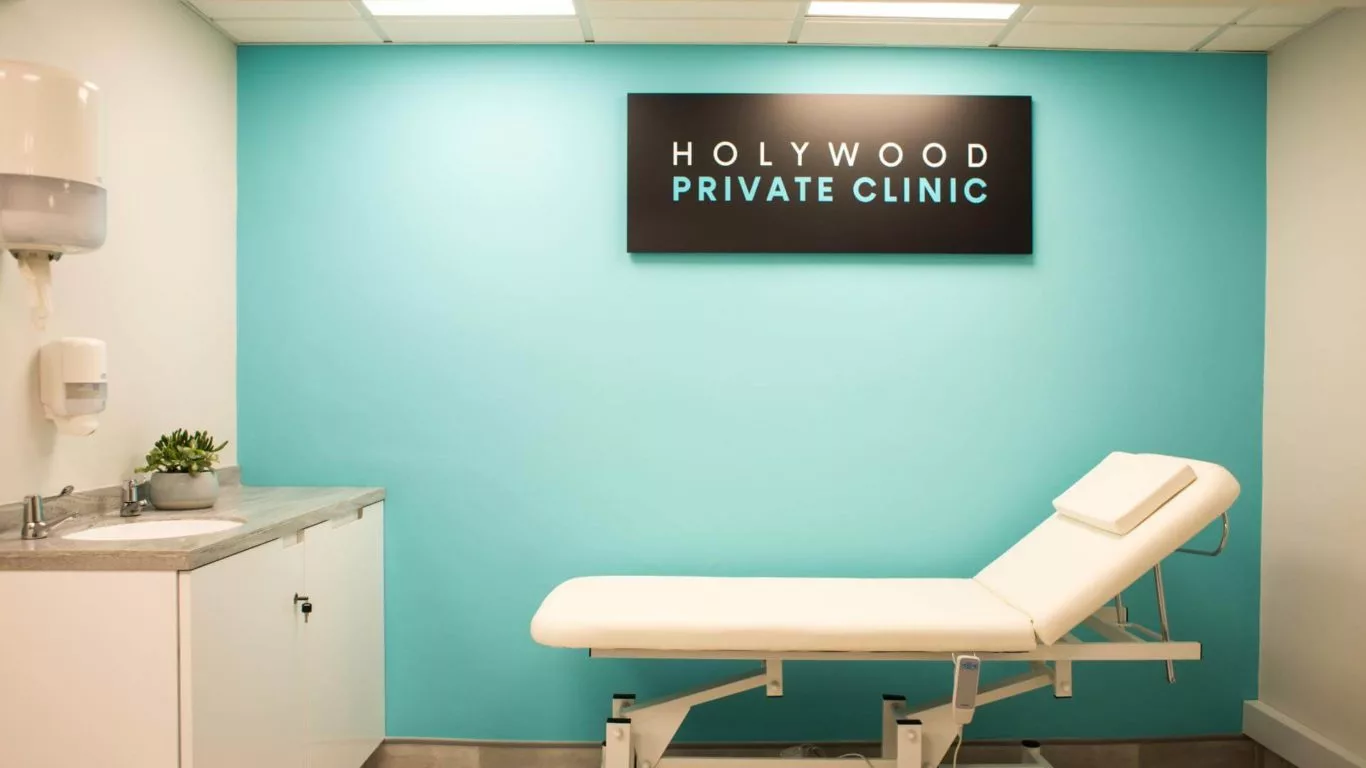
The physical environment of a private clinic is often designed with patient comfort in mind. Modern interiors, shorter queues, and attentive staff contribute to a more relaxed atmosphere. Amenities such as private rooms, streamlined check-in processes, and digital health records are common features.
Functional Focus in Public Healthcare Facilities
Public hospitals and clinics prioritize functionality and efficiency to serve as many patients as possible. While many public facilities are well-maintained and staffed by skilled professionals, limited budgets can affect infrastructure upgrades. The environment may feel more clinical and less personalized compared to a private clinic.
Doctor Choice and Continuity of Care
Freedom to Choose in a Private Clinic
Patients visiting a private clinic usually have greater freedom to choose their doctor or specialist. This continuity of care can be especially beneficial for managing chronic conditions, as patients can consistently see the same healthcare provider who understands their medical history in depth.
Assigned Care in Public Systems
In public healthcare facilities, patients are often assigned doctors based on availability. While medical records ensure continuity, patients may see different physicians during each visit. This system helps manage large patient volumes but may limit long-term doctor-patient relationships.
Technology and Innovation
Advanced Technology in a Private Clinic
Private clinics often adopt new medical technologies more quickly, as they are not bound by extensive government approval processes. This can include advanced diagnostic imaging, minimally invasive surgical techniques, and digital health solutions that enhance efficiency and accuracy.
Technology in Public Healthcare
Public healthcare facilities also use modern medical technology, especially in major hospitals. However, the adoption of new equipment can be slower due to budget constraints and regulatory procedures. Despite this, public systems often excel in large-scale medical research and training.
Role in Society and Public Health
Market-Driven Role of a Private Clinic
A private clinic operates within a market-driven framework, focusing on patient demand and service quality. While this can drive innovation and efficiency, it may also limit access for individuals who cannot afford private care.
Equity-Focused Role of Public Healthcare
Public healthcare facilities play a crucial role in promoting health equity. They ensure that essential medical services are available to all citizens, regardless of income or social status. This makes them indispensable for preventive care, vaccinations, and managing public health crises.
Making the Right Choice
Choosing between a private clinic and a public healthcare facility depends on individual priorities. Patients seeking quick access, personalized care, and specialized services may prefer a private clinic. Those who prioritize affordability and comprehensive care, especially for serious or emergency conditions, may rely on public healthcare facilities.
Conclusion
Both private clinics and public healthcare facilities are essential components of a balanced healthcare system. A private clinic offers convenience, personalized attention, and advanced services, while public healthcare facilities ensure accessibility, affordability, and broad population coverage. By understanding the key differences between these two options, patients can make informed decisions that best support their health, lifestyle, and financial needs.