
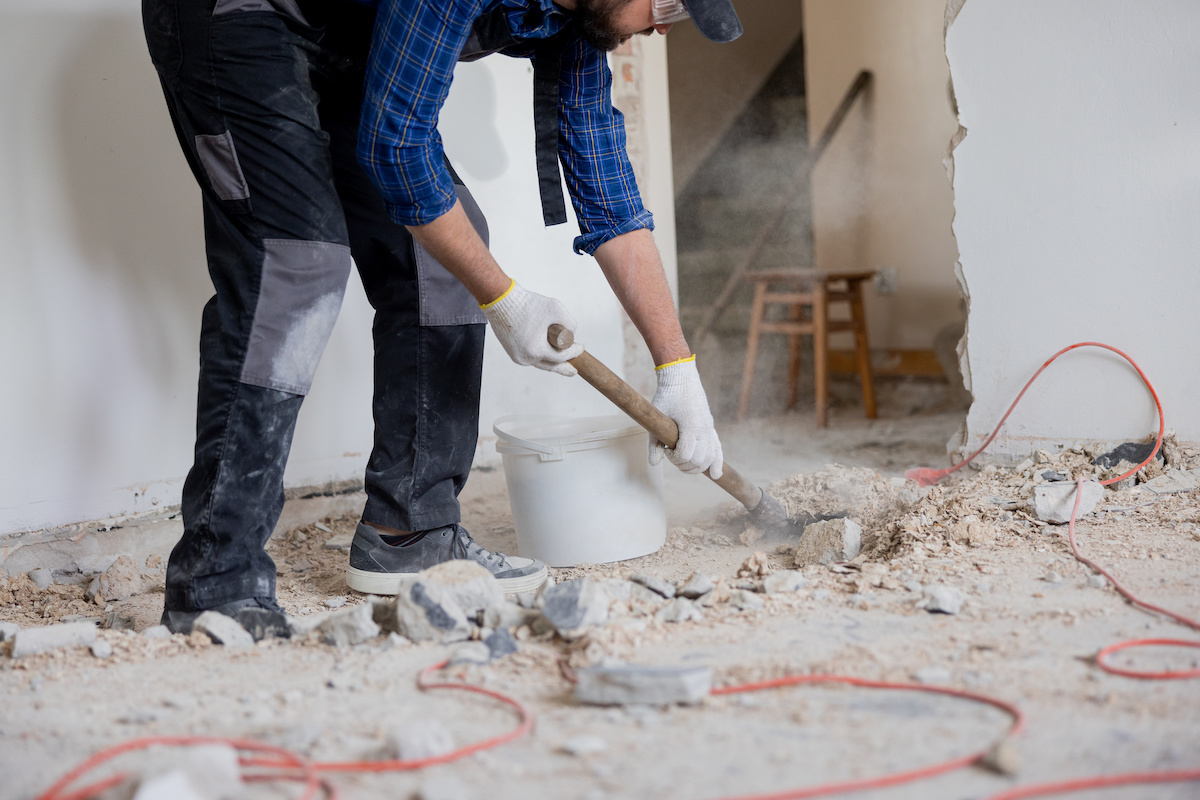
Water damage can strike homes and businesses unexpectedly, leaving behind a trail of destruction that can be overwhelming to handle on your own. Whether it’s caused by a burst pipe, a severe storm, or flooding, the aftermath often involves not only structural damage but also risks like mold growth and compromised electrical systems. This is where a professional restoration company becomes an essential partner, guiding you through the complex process of recovery and rebuilding.
Understanding the Scope of Water Damage
Water damage is not just about visible flooding. It can seep into walls, floors, and ceilings, weakening the structural integrity of your property. A small leak left unchecked can escalate into extensive damage over time. A qualified restoration company can assess both visible and hidden damage, ensuring that nothing is overlooked. Their experience allows them to identify areas prone to water retention, potential mold growth, and electrical hazards, which is critical for creating a safe and effective recovery plan.
Immediate Response and Damage Assessment
The first step after water damage is a rapid response. Time is of the essence because the longer water sits, the more damage occurs. A restoration company typically offers 24/7 emergency services to mitigate water damage quickly. Upon arrival, their team conducts a thorough inspection, using specialized tools like moisture meters and infrared cameras to locate hidden water pockets. This assessment forms the foundation of a tailored restoration plan, ensuring that every affected area is addressed efficiently.
Water Removal and Drying Process
Once the damage is assessed, the restoration company begins the water extraction process. Using industrial-grade pumps and vacuums, they remove standing water swiftly. However, extraction is only the first step. The remaining moisture trapped in walls, floors, and furniture must be thoroughly dried to prevent mold and structural deterioration. High-powered air movers and dehumidifiers are deployed to speed up drying, and the restoration team monitors moisture levels throughout the process to ensure complete dryness. This professional approach significantly reduces the risk of long-term damage compared to DIY drying methods.
Mold Remediation and Prevention
One of the most critical aspects of water damage restoration is mold management. Moisture creates a perfect environment for mold growth, which can appear within 24–48 hours. Mold not only damages building materials but can also cause serious health issues. A reputable restoration company has the expertise and equipment to perform mold remediation safely. They identify affected areas, contain mold spores, and use specialized cleaning solutions to eliminate mold. Additionally, they implement preventive measures, reducing the likelihood of future mold outbreaks.
Structural Repairs and Reconstruction
After water removal and drying, the property may require structural repairs. Water can compromise walls, floors, ceilings, and foundations, leaving them unstable. A professional restoration company coordinates the reconstruction process, working with licensed contractors if needed. They replace damaged drywall, flooring, and insulation, restore structural supports, and ensure that the building meets safety codes. Their goal is not just to repair but to rebuild the property to its pre-damage condition, sometimes even improving it beyond its original state.
Salvaging Belongings and Personal Property
Water damage often affects personal belongings, from furniture and electronics to important documents and sentimental items. Restoration companies use specialized techniques to salvage as many possessions as possible. This includes cleaning and disinfecting furniture, drying and restoring electronics, and freezing or drying documents to prevent total loss. Their expertise maximizes the recovery of items that might otherwise be discarded, providing both financial and emotional relief to property owners.
Insurance Assistance and Documentation
Dealing with insurance claims after water damage can be complicated. A restoration company can assist by documenting the damage thoroughly, taking photos, and providing detailed reports that support your claim. Some companies even liaise directly with insurance adjusters, helping streamline the process and ensuring that you receive fair compensation. Their professional documentation and expertise can significantly reduce stress during an already challenging time.
Preventative Advice and Long-Term Maintenance
Beyond immediate repairs, a restoration company can offer advice to prevent future water damage. This may include recommendations for plumbing upgrades, waterproofing solutions, or improved drainage systems around the property. By addressing vulnerabilities proactively, you reduce the likelihood of similar disasters and maintain the value and safety of your home or business over time.
Choosing the Right Restoration Company
Selecting the right restoration company is crucial for a successful recovery. Look for companies with certified technicians, positive customer reviews, and experience in handling both residential and commercial water damage. A professional team will not only respond quickly but will also provide a comprehensive service, from emergency mitigation to full restoration and reconstruction. Their knowledge, tools, and experience make a measurable difference in the speed and quality of recovery.
Conclusion
Water damage can be devastating, but a professional restoration company transforms a chaotic and stressful situation into a manageable process. From immediate water extraction and drying to mold remediation, structural repairs, and property recovery, their expertise ensures that every step of rebuilding is handled efficiently and safely. Additionally, their support with insurance claims and preventative guidance provides peace of mind long after the visible damage is repaired. By partnering with a reputable restoration company, property owners can restore their spaces with confidence, knowing that their home or business is in capable hands.