
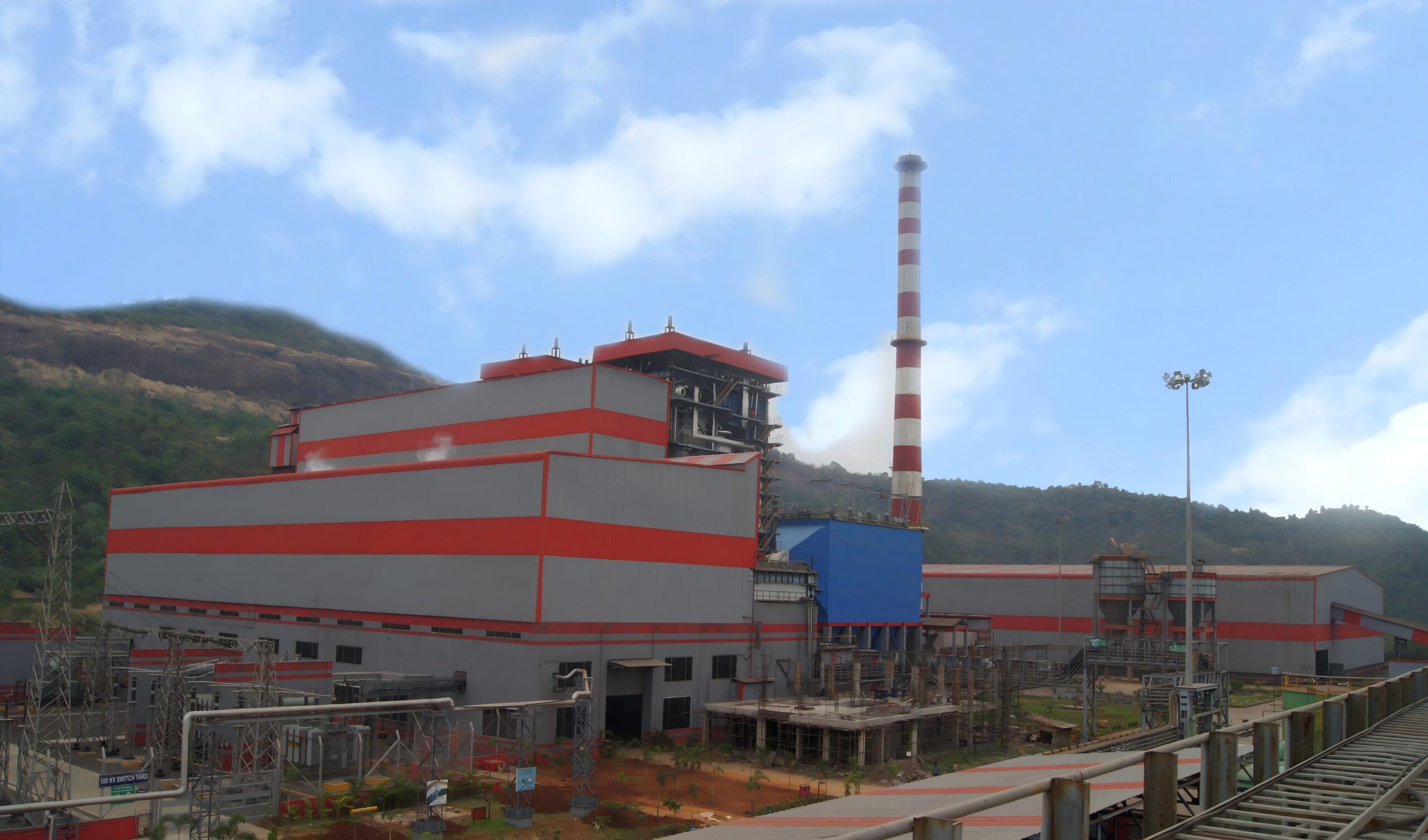
Coal-fired power plants remain a critical source of electricity worldwide, providing reliable energy to industries and communities. However, these plants face increasing pressure to improve efficiency, reduce emissions, and optimize operational performance. One of the most vital areas in a coal-fired power plant is the boiler island, where fuel combustion generates steam to drive turbines. Enhancing efficiency in coal-fired power plant boiler island operations requires a combination of advanced strategies, modern technologies, and operational best practices coal – fired power plant boiler island operation.
Understanding Coal-Fired Power Plant Boiler Island Operations
The boiler island in a coal-fired power plant includes all equipment directly involved in steam generation and fuel combustion. This typically encompasses the coal handling system, pulverizers, boiler furnace, burners, economizers, air preheaters, and steam drum. Efficient operation in this section is critical because even minor inefficiencies can lead to increased fuel consumption, higher emissions, and reduced overall plant performance.
Coal-fired power plant boiler island operations rely on consistent fuel quality, optimized combustion, and precise heat transfer to convert coal energy into high-pressure steam effectively. Any deviation in these processes can impact turbine output and overall plant efficiency.
Strategies to Improve Efficiency
Optimizing Fuel Quality and Handling
Coal quality plays a significant role in boiler performance. Variations in moisture, ash content, and calorific value can affect combustion efficiency and heat transfer. Power plants should implement robust coal testing protocols and blending strategies to maintain consistent fuel properties. Additionally, improving coal handling operations, such as minimizing transport losses and ensuring proper storage conditions, supports stable combustion and reduces operational risks in the boiler island.
Enhancing Combustion Control
Advanced combustion control systems are essential for efficient coal-fired power plant boiler island operation. These systems use real-time monitoring of oxygen levels, flue gas composition, and furnace temperatures to adjust air-to-fuel ratios dynamically. By maintaining optimal combustion, plants can maximize heat release, minimize unburned carbon, and reduce harmful emissions. The integration of distributed control systems (DCS) allows operators to manage complex boiler processes more effectively, ensuring consistent efficiency.
Implementing Boiler Heat Rate Improvement Techniques
The boiler heat rate, which measures the energy input required to generate a unit of electricity, is a key indicator of efficiency. Reducing heat rate involves improving the transfer of heat from coal combustion to the steam. Technologies such as economizers, air preheaters, and superheaters play a crucial role in this process. Installing high-efficiency heat exchangers, ensuring regular maintenance, and minimizing fouling can enhance the overall thermal performance of the boiler island.
Utilizing Advanced Monitoring and Diagnostic Tools
Modern coal-fired power plant boiler island operations benefit significantly from advanced monitoring and diagnostic technologies. Online sensors and predictive maintenance systems can detect early signs of equipment degradation, slagging, or corrosion. By analyzing data trends, operators can perform targeted maintenance, reducing unplanned downtime and ensuring the boiler operates at peak efficiency. Thermal imaging, vibration analysis, and flue gas monitoring are examples of tools that improve decision-making in boiler management.
Reducing Auxiliary Power Consumption
Auxiliary equipment in the boiler island, such as fans, pumps, and conveyors, can consume a substantial portion of the plant’s electrical output. Optimizing these systems using variable frequency drives, high-efficiency motors, and proper control strategies can significantly reduce parasitic losses. Lower auxiliary power consumption directly contributes to overall plant efficiency, making it an essential focus area in coal-fired power plant boiler island operations.
Technological Innovations Driving Efficiency
Circulating Fluidized Bed and Supercritical Boilers
Modern boiler designs, such as circulating fluidized bed (CFB) and supercritical boilers, offer higher efficiency and reduced emissions. These technologies allow for better fuel combustion, more effective heat transfer, and lower operational stresses on boiler components. Transitioning to such advanced systems can result in measurable improvements in coal-fired power plant boiler island efficiency.
Integrated Emission Control Systems
Combining efficiency improvements with emission reduction is increasingly important. Technologies like selective catalytic reduction (SCR), flue gas desulfurization (FGD), and electrostatic precipitators ensure that coal-fired power plants meet environmental standards without compromising efficiency. Efficient operation of these systems within the boiler island ensures that energy losses are minimized while pollutants are effectively removed.
Digital Twin and AI-Based Optimization
Digital twin technology enables the creation of a virtual model of the coal-fired power plant boiler island, simulating real-time performance under different operating conditions. Coupled with artificial intelligence (AI) and machine learning algorithms, operators can predict performance deviations, optimize combustion, and identify opportunities to reduce fuel consumption. These technologies provide actionable insights for continuous improvement in efficiency.
Waste Heat Recovery and Combined Heat and Power
Waste heat recovery systems capture residual heat from flue gases and convert it into useful energy, either for additional power generation or process heating. Implementing combined heat and power (CHP) systems in coal-fired power plant boiler island operations maximizes energy utilization and reduces fuel costs. This approach not only improves thermal efficiency but also enhances the sustainability of power generation.
Operational Best Practices
Regular Maintenance and Inspection
Efficient coal-fired power plant boiler island operations require rigorous maintenance schedules. Routine inspection of burners, heat exchangers, soot blowers, and other critical components ensures consistent performance. Preventive maintenance reduces the risk of unexpected failures, lowers repair costs, and maintains high boiler efficiency.
Training and Skill Development
The human factor plays a crucial role in optimizing boiler island efficiency. Skilled operators trained in modern control systems, combustion optimization, and diagnostic tools can make real-time adjustments that improve performance. Continuous training programs ensure that operational staff remain proficient with evolving technologies and best practices.
Performance Benchmarking
Benchmarking boiler performance against industry standards or similar power plants helps identify areas for improvement. Monitoring key indicators such as heat rate, fuel consumption, emissions, and equipment reliability allows operators to implement targeted efficiency measures and track progress over time.
Conclusion
Enhancing efficiency in coal-fired power plant boiler island operations requires a multi-faceted approach that combines advanced technologies, operational strategies, and skilled management. Optimizing fuel handling, improving combustion control, upgrading boiler components, and adopting digital monitoring systems are all essential steps. Integrating innovative solutions such as supercritical boilers, digital twins, and waste heat recovery further strengthens efficiency and sustainability. By focusing on these strategies, coal-fired power plants can achieve higher energy output, lower emissions, and more reliable operation, ensuring their continued role in global energy production.