
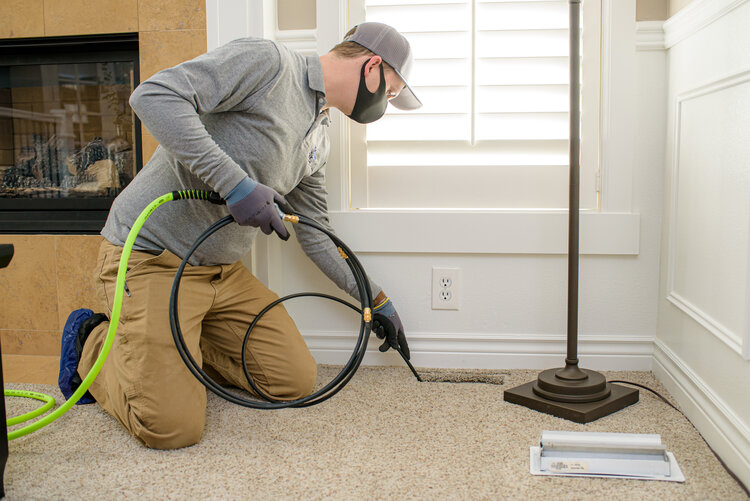
Maintaining a clean and healthy home goes beyond aesthetics and personal comfort—it also plays a critical role in environmental sustainability. One often-overlooked aspect of home maintenance is air duct cleaning. While many homeowners think of air duct cleaning primarily as a way to improve indoor air quality, it also provides significant environmental benefits that contribute to energy efficiency, reduced pollution, and overall sustainability. Understanding these benefits can motivate homeowners to prioritize regular air duct maintenance for the sake of both their health and the environment.
How Air Duct Cleaning Improves Energy Efficiency
One of the most direct environmental benefits of air duct cleaning is the improvement in energy efficiency. Over time, air ducts accumulate dust, debris, and other contaminants, which can obstruct airflow and make heating, ventilation, and air conditioning (HVAC) systems work harder to maintain desired indoor temperatures. When HVAC systems operate under strain, they consume more energy, leading to higher utility bills and increased carbon emissions from power generation.
Air duct cleaning removes blockages and ensures that air flows freely throughout the home. A clean system operates more efficiently, using less energy to heat or cool indoor spaces. This reduction in energy consumption translates into a smaller carbon footprint, which benefits the environment by decreasing greenhouse gas emissions associated with electricity production.
Reducing Indoor Air Pollution
Air duct cleaning also plays a significant role in reducing indoor air pollution, which indirectly benefits the environment. Dust, pollen, mold spores, and pet dander often accumulate in air ducts, circulating throughout the home whenever the HVAC system is in operation. These particles not only compromise indoor air quality but can also contribute to broader environmental issues when they enter outdoor ventilation systems or are released during maintenance work.
By removing these contaminants, air duct cleaning ensures that fewer pollutants escape into the external environment. Additionally, cleaner indoor air reduces the likelihood of respiratory illnesses, which can decrease the need for medical treatments and associated resource use, further supporting environmental sustainability.
Preventing Mold Growth and Contamination
Mold growth inside air ducts is a common problem, particularly in areas with high humidity. Mold not only poses serious health risks but also has environmental consequences. When mold spores are released into the air, they can settle on other surfaces, creating the need for additional cleaning and potentially the disposal of contaminated materials. This process consumes water, energy, and cleaning chemicals, all of which impact the environment.
Air duct cleaning can prevent mold growth by removing moisture-trapping debris and applying specialized cleaning techniques that inhibit microbial development. Preventing mold reduces the need for chemical treatments, lowers the frequency of major cleaning interventions, and minimizes the environmental impact associated with mold remediation.
Extending HVAC System Lifespan
Another environmental advantage of air duct cleaning is its contribution to the longevity of HVAC systems. Accumulated dust and debris force HVAC components such as fans, filters, and coils to work harder, leading to increased wear and tear. Systems that fail prematurely require replacement, which consumes significant natural resources, including metals, plastics, and refrigerants.
Regular air duct cleaning helps maintain optimal system performance, reducing the likelihood of breakdowns and extending the life of HVAC equipment. A longer-lasting system reduces the demand for manufacturing new units, conserving resources and minimizing industrial emissions, which directly benefits the environment.
Reducing Chemical Use in Homes
Dirty air ducts can exacerbate allergy and asthma symptoms, prompting homeowners to rely on air fresheners, chemical cleaners, or other products to combat indoor pollutants. Many of these chemicals release volatile organic compounds (VOCs) that contribute to indoor air pollution and may also have harmful effects on the outdoor environment when vented or disposed of improperly.
By maintaining clean air ducts, homeowners can significantly reduce the need for chemical interventions. Cleaner indoor air naturally supports a healthier living environment without relying on potentially harmful substances, thereby promoting environmental sustainability and reducing chemical exposure for both humans and ecosystems.
Enhancing Home Ventilation and Air Quality
Efficient ventilation is a key factor in both personal health and environmental impact. Clean air ducts allow HVAC systems to ventilate homes more effectively, ensuring that stale air is replaced with fresh air. Improved ventilation reduces the concentration of indoor pollutants and supports the circulation of air in a manner that decreases the buildup of dust and debris over time.
Enhanced air circulation can also reduce the need for additional appliances such as air purifiers or fans, which consume electricity and contribute to energy use. By optimizing existing systems through air duct cleaning, homeowners can minimize energy waste and limit the environmental footprint of their household operations.
Supporting Sustainable Practices
Air duct cleaning aligns with broader sustainable living practices by promoting efficiency, health, and environmental responsibility. When homeowners prioritize routine maintenance, they indirectly contribute to energy conservation, reduced emissions, and minimized chemical usage. Additionally, professional air duct cleaning services often employ environmentally friendly products and techniques, further enhancing the sustainability of the process.
Incorporating air duct cleaning into a comprehensive home maintenance plan supports an eco-friendly lifestyle, ensuring that household operations are both energy-efficient and health-conscious. Small actions like this, when practiced across many homes, can collectively have a significant positive impact on the environment.
Recognizing the Broader Environmental Impact
While air duct cleaning may seem like a minor household task, its benefits extend beyond the immediate confines of the home. Reduced energy consumption translates into lower demand on power plants, which can reduce the burning of fossil fuels and the associated emissions. Fewer chemical cleaning products decrease the release of harmful compounds into the environment. Preventing mold and maintaining HVAC efficiency reduces waste and resource consumption.
When combined, these effects contribute to a healthier, more sustainable planet. Homeowners who understand the environmental benefits of air duct cleaning can make informed decisions that not only improve their living space but also support broader ecological goals.
Conclusion
Air duct cleaning offers far more than just cleaner indoor air; it provides meaningful environmental benefits. By improving energy efficiency, reducing indoor and outdoor pollution, preventing mold growth, extending the lifespan of HVAC systems, minimizing chemical use, and enhancing ventilation, clean air ducts contribute to a more sustainable and eco-friendly home. Regular maintenance ensures that households operate efficiently, responsibly, and with minimal environmental impact. Incorporating air duct cleaning into routine home care is a simple yet effective way to promote both personal health and environmental stewardship, demonstrating that small actions at home can lead to significant positive changes for the planet.
The environmental benefits of air duct cleaning make it a critical consideration for any homeowner who values sustainability, energy conservation, and a healthier living environment. Regular attention to this often-overlooked aspect of home maintenance can create a cleaner, greener, and more energy-efficient home for years to come.